
Kitchen rugs:
the new trend

Table of Contents
- Introduction: the kitchen as a new decorative space
- Why incorporate kitchen rugs?
- Types of kitchen rugs: materials and technologies
- Design and style: how to harmonize the carpet with your kitchen
- Practical advantages: cleanliness, safety and durability
- Common mistakes when choosing kitchen rugs (and how to avoid them)
- Buying guide: what to consider before making your choice
- Conclusion: a functional trend that is here to stay
Introduction: the kitchen as a new decorative space
For years, the kitchen was perceived exclusively as a utilitarian space. But today, the focus has changed. Modern kitchens not only fulfill a practical function: they also reflect the lifestyle and aesthetic taste of those who live in the house. In this context, kitchen rugs emerge as a key decorative resource, merging design, comfort and functionality in a single element.
Why incorporate kitchen rugs?
While rugs have been the protagonist in living rooms and bedrooms, their inclusion in the kitchen responds to a logical evolution of interior design. Here are some of the main reasons:
- They add texture and color to a space that is usually more neutral.
- They offer comfort when walking or standing while cooking.
- They protect the floor from spills, grease, moisture or falls.
And, above all, thanks to advances in materials, today we can enjoy washable, waterproof and resistant kitchen rugs, without worrying about their maintenance.
Types of kitchen rugs: materials and technologies
The key to this trend is the choice of materials designed for demanding environments such as the kitchen. Some of the most popular types include:
1. Vinyl carpets
Made of PVC or textured vinyl. They are waterproof, non-slip and very durable. Ideal for modern or industrial kitchens.
Get to know our vinyl carpets
2. Easy to clean carpets
Very common due to their low cost and good resistance. Its texture can imitate natural fibers, but with a better response to humidity.
Meet our easy-to-clean carpets
Design and style: how to harmonize the carpet with your kitchen

Kitchen rugs are not just a simple addition, but a style-defining tool. Here are some key tips for integrating them correctly:
- In Scandinavian kitchens, opt for neutral, gray or black and white tones with simple geometric patterns.
- In rustic or Mediterranean kitchens, natural-looking outdoor rugs work very well.
Where to place the carpet?
The most common locations are:
- In front of the sink or main countertop (to cushion standing time).
- Under the kitchen island or breakfast area.
- In the form of a “path” if it is a linear kitchen or hallway.
Practical advantages: cleanliness, safety and durability
One of the main historical barriers to using carpets in the kitchen was the fear of dirt. Today that has been overcome. Here are the most important advantages:
1. Easy cleaning
Many kitchen rugs can be cleaned with a damp mop, mild detergent or even in the washing machine (depending on the model).
2. Safety
Especially in wet areas, a good carpet with a non-slip backing can prevent slips and household accidents.
3. Soil protection
From tile to wood, carpet acts as a shield against scratches, moisture, grease and falling objects.
Common mistakes when choosing kitchen rugs (and how to avoid them)
Choosing the wrong carpet can be frustrating. Here are the most common mistakes:
- Choose a decorative carpet with no water or heat resistance.
- Do not check if it is non-slip.
- Use absorbent or difficult to wash materials.
Pro tip: Prioritize function without sacrificing style. The kitchen is a high-traffic area. Go for quality.
Buying guide: what to consider before making your choice
Demonstrates its commitment to sustainability on a global stage, attracting customers who value environmental responsibility.

Before purchasing a kitchen rug, consider the following:
- Size: measure the area well; leave a few centimeters of margin with respect to furniture.
- Material: vinyl, polypropylene, washable blend or technical carpets
- Traffic level: if you cook a lot or have children/pets, prioritize durability.
Conclusion: a functional trend that is here to stay
Kitchen rugs are much more than a passing fad. They are a concrete response to new design needs: functional, stylish, comfortable and easy to maintain spaces. Far from being a risk, today kitchen rugs are a decorative solution that adds aesthetic and practical value.
If you are in the midst of redesigning your kitchen, or simply want to add a touch of personality without major work, incorporating a kitchen rug is as strategic a decision as it is stylistic.
Other articles you may like

Announcement :
Merger of KP S.A. and ALFOMBRAS A MEDIDA S.A.
The purpose of this letter is to inform you that, today, by joint and unanimous decision of both Boards of Directors, the merger process by absorption between Alfombras a Medida S.A. (absorbed) and Sociedad Anónima KP (absorbing) has been initiated, under whose sole name both will operate when this process is completed.
The aforementioned merger, which must be ratified by the respective General Shareholders' Meetings, entails the extinction without liquidation of the absorbed company(Alfombras a Medida SA), and the universal succession of its assets, rights and obligations by the absorbing company, Sociedad Anónima KP, to which all the assets and liabilities of the absorbed company will be incorporated en bloc.
Therefore, we now open a process whose final result will be that all the assets and liabilities of the absorbed company (Alfombras a Medida), when legally appropriate, will be transferred to SA KP, who will be subrogated in its legal position, assuming all its rights and obligations.
This means that all your current contractual conditions will remain unchanged.
We want you to rest assured that this change will in no way diminish your current conditions as a customer or supplier. On the contrary, this process is carried out with the main objective of making the resulting entity stronger.
In due course, it will be informed as from the date on which it must operate with the absorbing company(Sociedad Anónima KP). Likewise, the creditors of each of the companies participating in the merger shall have the right to oppose the merger within a period of one month from the date of publication of the last announcement of the merger resolution, in accordance with the terms set forth in RDL 5/2023.
In any case, we remain at your disposal for any further clarification.
Official documents of the agreement: 20240617 Report of the Board of Directors Merger by Absorption Project - employment implicationsSincerely yours,
Virginia Martínez Guerra
Chairman of the Board of Directors

How do we calculate the total M2 needed to manufacture a custom carpet?
In our custom carpet pricing process, we start with standard carpet rolls that measure 4 meters wide by approximately 25 meters long. When customizing a carpet, we consider both width and length to determine the total square footage.
It is important to note that even if the width of the carpet is less than 2 meters, 2 meters of width will be charged, and there could be a remainder to be delivered to the customer. If the carpet exceeds 2 meters in width, 4 meters will be charged. The custom carpet cannot exceed 4 meters in width, as this coincides with the maximum width of the carpet rolls.
In terms of length, a maximum length of approximately 25 meters is allowed. When generating quotations, if the customer does not provide a specific indication on patterns or designs, we calculate the square meters in a way that minimizes the total quantity. This ensures efficiency in the use of carpet rolls.
 In short, our goal is to offer high quality custom carpets, charging fairly and considering both standard roll dimensions and the specific needs of each customer. If you have any additional questions or would like more details, please don't hesitate to ask.

What does the GUT logo mean
Sometimes you will have found this logo in samples of carpets, rugs and other textiles. With this article we intend to make it as clear as possible the meaning of this logo.
Let's go ahead with the explanation!
Summary of the text on GUT testing
GUT is a system that guarantees high standards of safety, quality and sustainability for textile floor coverings. Also for our custom-made carpets and rugs. Its main focus areas are pollutants, emissions and odors, with strict testing processes that protect both the consumer and the environment.

- CONTAMINANTS
- Regulated substances: These include heavy metals, plasticizers, biocides, pesticides, persistent organic pollutants (POPs) and substances of very high concern (SVHC) under REACH.
- Methods of analysis: Both traditional techniques and modern rapid tests are used to evaluate materials for contaminants.
- Measures adopted: GUT establishes limit values for certain substances and bans others to avoid negative effects on health and the environment.
- EMISSIONS
- Compounds detected: Formaldehyde, acetone, benzene, toluene and other solvents from paints, adhesives, furniture and decorative materials.
- Emitting materials: Textile coatings and adhesives used during installation are critical factors.
- GUT labeled carpets and rugs have low emissions, meeting international indoor air quality standards.
- The limit values established by GUT ensure that these products are safe for both residential and commercial use.
- SMELLS
- Methodology: An "odor panel" is used to evaluate the intensity and annoyance of odors perceived in samples of material under controlled conditions.
- Evaluation criteria:
- Odor intensity: Rated from 1 (no odor) to 5 (very strong).
- Annoyance level: Rated from -3 (very annoying) to +3 (not annoying at all).
- Standard applied: SNV 195651, which measures the disturbance caused by odors in textiles.
- New" odor: Arises after installation and diminishes with time.
- Cause: Emissions of substances applied during production.
- Persistent odor: Appears after weeks and does not dissipate easily.
- Cause: Chemical reactions between old or poorly applied adhesives and new materials.
- Acid and penetrating odor: Intensifies with time.
- Cause: Degradation of polymers such as SBR or sulfur compounds.
- Ventilation: Essential during and after installation to reduce concentrations of volatile substances.
- Duration of odor: Generally, new odors diminish significantly in the first four weeks if there is adequate ventilation.
- Additional causes: Odors do not always indicate a defect in the product, as other factors in the environment may also play a role.
- POPs: Persistent Organic Pollutants
- REACH: Registration, Evaluation, Authorization and Restriction of Chemicals
- SVHC: Substances of Very High Concern
- VOC: Volatile Organic Substances
- AgBB: Committee for the Health Evaluation of Construction Materials
- LCI: Lowest Concentration of Interest
How to vacuum My carpet without damaging it
1. Introduction
2. Common Problems When Vacuuming Carpets
- Frayed
- Lint formation
- Torn
- General Impairment
3. Importance of the Right Vacuum Cleaner
- Leading Brands and Potential Problems
- High-end and Robotic Vacuum Cleaners
4. Key Aspects for Choosing the Right Vacuum Cleaner
- Suction Power
- Effects of Powerful Suction
- How to Check Suction Power
- Vacuum Height Adjustment
- Importance of Height Adjustment
- Configurations for Different Types of Carpets
- Vacuum Cleaner Brush
- Correct Use of the Rotating Brush
- Brush Adjustments and Overhaul
5. Conclusion
How to vacuum my carpet or rugs without damaging them
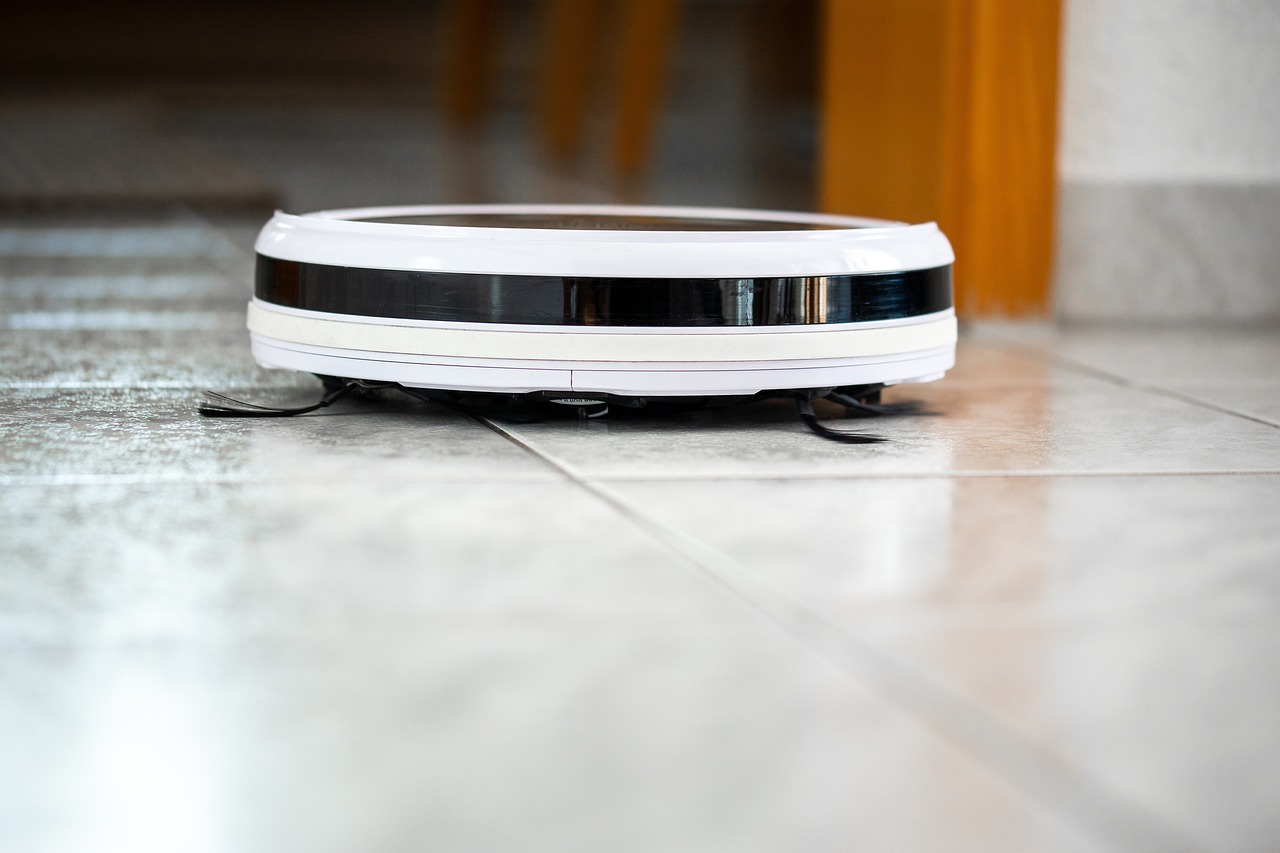
If your carpet has started to fray, fuzz, tear or deteriorate, you may not realize that the culprit could be your vacuum cleaner. The features of many leading brands of vacuum cleaners may be unsuitable for certain types of carpet if not used correctly. High-end vacuum cleaners with high suction power and robotic vacuums can be particularly problematic. Some models of these new vacuums often do not allow adjustments for different types of carpets. These vacuums are best avoided.
If you already have a vacuum cleaner that you like, there are three key things to consider to make sure it's right for your carpet or rug
 Suction Power
Although powerful suction may seem like an advantage, it can be detrimental to certain carpets. For high pile and soft or delicate carpets, avoid vacuum cleaners with concentrated suction. This type of suction can not only damage the carpet, but can also make it difficult for the vacuum to move over the surface, causing friction on the surface.
To check suction power, look for terms such as "concentrated suction" or "sealed" in the vacuum specifications that measure airflow power. Most vacuums have a CFM between 50 and 100, although some can range from 45 to 200 CFM.
Vacuum Height Adjustment
The ability to adjust the height of the vacuum cleaner is crucial. This feature allows the vacuum to work well or not on various types of carpets. If the vacuum is too high, it will not be able to suck up the deepest dirt. If it is too low, the brushes can damage the surface of the carpet, making it look worn.
Rugs, depending on their height or the type of fiber they are made of, require different height settings. High pile carpets and soft or more delicate carpets usually require the highest height setting. . If you are in doubt about the correct setting, test in an inconspicuous area and check the result.
 The rotating brush of the vacuum cleaner
Although it is sometimes advisable to use a vacuum cleaner with a rotating brush, make sure you are doing it correctly. If the bar is too high or too low, adjust it as needed. Before using the vacuum, check the rotating brush to make sure there are no burrs or nicks that could damage the carpet.
For loop carpets, braids or carpets with a construction that can lead to snagging, you may even need to disable the rotating brush and use it in suction-only mode. If you are in doubt about the correct setting, try it in an inconspicuous area and check the result.
Conclusion
Definitely, choosing the right vacuum cleaner is essential to keep your carpet or rug in perfect condition. Keep in mind the recommendations on height adjustment, suction power and use of the rotating brush to extend their life.
Find a KP distributor
in your area

¿Te gustan alguna de nuestras alfombras?, ¿No encuentras lo que estás buscando?, ¿Necesitas más información?, rellena el formulario y te ayudamos con tus dudas.

